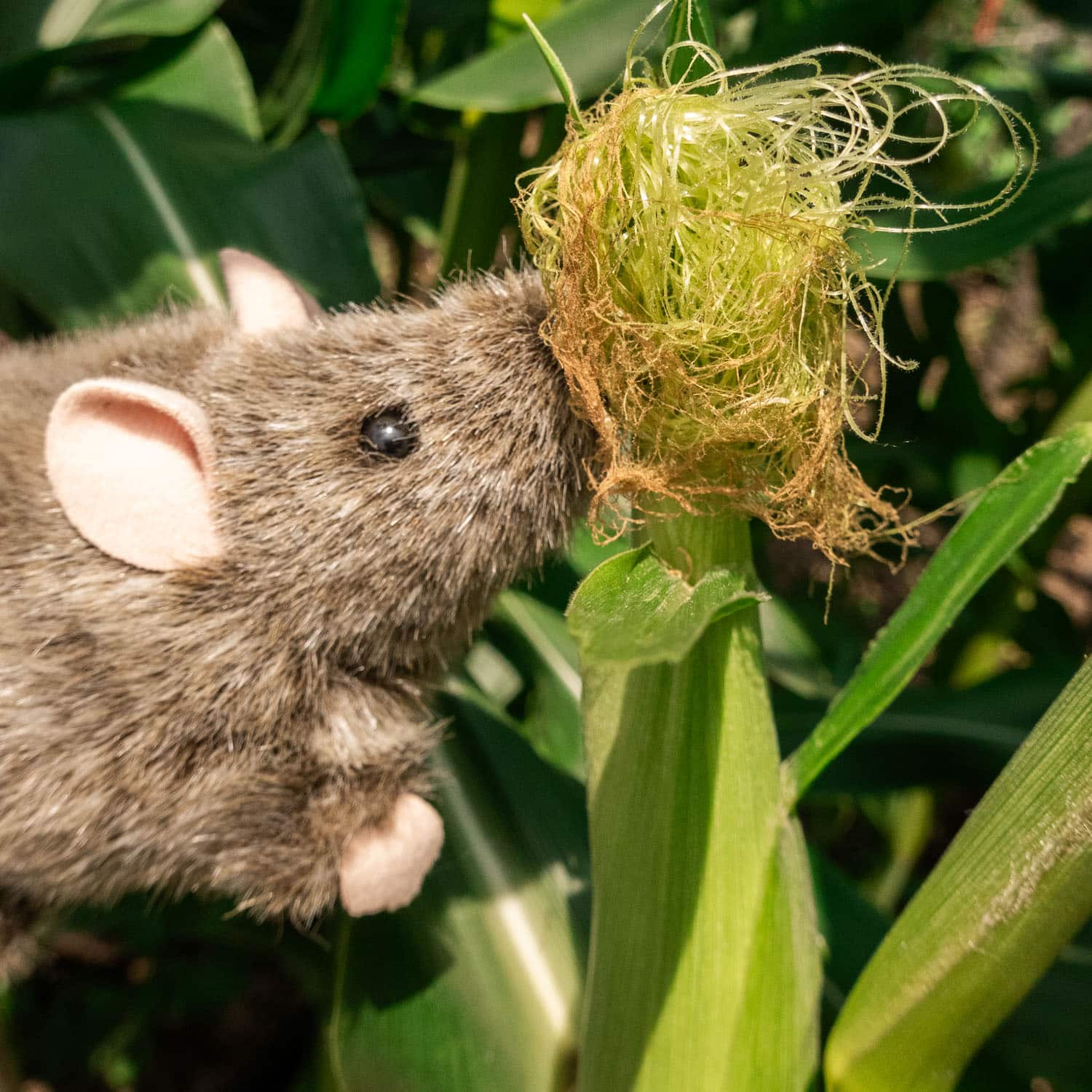
Defeat Garden Rats: Tested Strategies to Save Your Corn Crop
There are few things as satisfying as watching your corn stalks grow tall, their tassels dancing in the breeze, promising a sweet harvest. But then, the unthinkable happens: rats. These cunning creatures can decimate a corn crop overnight, turning your gardening dreams into a nightmare of nibbled ears and broken stalks. If you've ever experienced this heartbreak, you're not alone. Gardeners, especially those in urban environments like NYC, know the unique challenges of battling resilient rodents. The good news is that with a multi-pronged approach and a little ingenuity, you can learn how to protect corn from rats and reclaim your harvest.
Our journey to rodent-proofing a corn patch has involved extensive research and real-world trials, from simple home remedies to more advanced deterrents. The key lies in understanding rat behavior and employing a variety of strategies, as every garden is unique. Below, we'll explore proven methods to safeguard your precious corn.
Understanding the Enemy: Proactive Steps for Rat-Proofing Your Garden
Before diving into specific protection methods, it's crucial to understand why rats are attracted to your garden and to implement general pest management strategies. Rodents are constantly searching for food, water, and shelter. Your thriving corn patch, unfortunately, provides all three.
- Cut Off Food Sources: Rats are opportunists. Beyond your corn, they'll happily feast on fallen fruit from trees, unsecured compost, pet food left outdoors, and even birdseed. Regularly clean up your yard, ensure compost bins are sealed, and bring pet food inside, especially overnight. A hungry rat is more likely to move on or fall for a trap.
- Eliminate Shelter: Clear away brush piles, neglected sheds, wood stacks, and dense overgrown areas that offer rats safe havens. The less comfortable your garden is for them, the less likely they are to set up permanent residence.
Prevention starts with making your garden less appealing overall. Once they've discovered your corn, however, more direct action is needed.
Physical Fortifications: Building Barriers Against Pesky Rodents
When it comes to protecting individual ears of corn, or even entire patches, physical barriers are often the most effective. They directly block access, making the rats' job much harder.
Individual Ear Protection: Socks and Bottles
For smaller gardens or particularly prized ears, individual protection can be a surprisingly effective deterrent.
- The Sock Method: Yes, socks! Once your corn ears are nearing full size, gently pull an old sock (cotton works best) over each one. The idea is that rats, while persistent, get tired of gnawing through the fabric. This method slows them down significantly and often makes them give up on that particular ear. Start collecting socks from friends and family – you’ll need a lot!
- Plastic Bottle Shields: Similar to socks, repurposed plastic water or soda bottles can offer a tougher barrier. Cut off the top and bottom of a bottle, leaving a cylinder that can be slid over the developing ear of corn. Ensure the bottle is snug against the stalk so rats can't easily dislodge it. The smooth, hard plastic is much more difficult for them to chew through.
Structural Defenses: Fencing and Cages
For more comprehensive protection, especially if you have a dedicated corn patch, consider more robust structures.
- Robust Fencing: A fence isn't just for keeping out deer. For rats, you'll need a fence made of hardware cloth with very small mesh (e.g., ¼ inch) to prevent them from squeezing through. The fence needs to be at least 18-24 inches high and, critically, extend at least 6-12 inches below ground, bent outwards in an 'L' shape, to prevent tunneling. For truly determined rats, or in areas with high pressure, you might even consider adding a wire top if your corn patch is small enough. This creates a fully enclosed "cage" for your crop.
- Individual Corn Cages: If you only have a few corn stalks, or want to protect experimental varieties, creating individual cages can be worthwhile. These can be made from hardware cloth cylinders secured around each stalk. While time-consuming and potentially expensive for a large garden, it offers nearly impenetrable protection for specific plants. This method is explored further in our article From Socks to Fences: 10 Ways to Keep Rats Off Your Corn.
Deterrents and Active Management: Scaring Them Off or Trapping Them Out
Beyond physical barriers, you can employ strategies to make your garden less inviting or actively remove problem rodents.
Sensory Deterrents: Sprays, Ultrasonic Devices, and Natural Fear
- Rodent Repellent Sprays: Various commercial and homemade sprays claim to deter rats. Many contain strong scents like peppermint oil, capsaicin (from chili peppers), or predator urine. Spray these around the base of your corn plants and along potential entry points. Reapply frequently, especially after rain, as their efficacy can diminish quickly. Always choose pet and plant-safe options.
- Ultrasonic and Noise Devices: These devices emit high-frequency sounds that are supposedly irritating to rodents but inaudible to humans. While some gardeners report success, scientific evidence on their long-term effectiveness is mixed. Rats can habituate to constant noises, and the sound waves can be blocked by obstacles. They might work as a temporary scare tactic but are rarely a standalone solution.
- Visual Deterrents (Owls): Rats are naturally wary of predators like owls. Placing realistic owl decoys in your garden, especially those with moving heads, can sometimes deter rats initially. Adding real owl feathers (if you can ethically source them) might enhance the effect. However, like other static deterrents, rats are intelligent and often learn that the "threat" isn't real over time. Move decoys regularly to maintain the illusion.
Active Removal: Traps
If deterrents aren't enough, trapping can be a necessary step in active pest management.
- Effective Trapping: There are various types of traps: traditional snap traps, live traps, and electronic traps.
- Snap Traps: When set correctly and baited effectively (peanut butter, cheese, or even a tiny piece of corn), these can be very efficient. Place them along rat runways, which are often close to walls, fences, or dense vegetation.
- Live Traps: For those who prefer a humane approach, live traps allow you to catch and then relocate rats. However, ensure you release them far from other homes and gardens, as they can quickly become someone else's problem.
Enlisting Allies: Harnessing Natural Predators for Rodent Control
Sometimes, the best defense is to let nature do its job.
- The Feline Guardian: Befriending Neighborhood Cats: Cats are natural hunters and excellent rodent deterrents. Befriending a local stray or outdoor cat (or several!) by offering food, water, and occasional affection can turn them into loyal garden bodyguards. Their mere presence, scent, and occasional successful hunt can keep rat populations in check. Just ensure you're a responsible caretaker, providing basic needs. Many urban gardeners, facing constant rodent pressure, rely heavily on their feline companions, as detailed in articles like NYC Garden Survival: 10 Ways to Protect Your Corn From Rats.
- Encouraging Wild Predators: While less direct, creating an environment that attracts natural predators like hawks and owls can help. Installing raptor perches or maintaining natural habitats can encourage these birds to visit your garden and assist in rodent control.
The Gardener's Grit: Persistence in the Battle for Your Corn
Ultimately, protecting your corn from rats is an ongoing battle that requires persistence and adaptability. What works one season or in one part of your garden might not work in another. Rats are incredibly intelligent and resilient creatures, and they will test your resolve. The "hope for the best" approach mentioned by some is really about combining diligent effort with the acceptance that sometimes, despite your best efforts, a few ears might still fall prey. But by implementing these strategies, you significantly tip the odds in your favor, increasing your chances of a bountiful, rat-free corn harvest.
Don't be discouraged by initial setbacks. Every nibbled ear is a lesson learned. Observe your garden, understand the rats' movements, and adjust your tactics accordingly. With a comprehensive plan and a bit of gardener's grit, you can defeat these garden invaders and enjoy the sweet reward of your homegrown corn.
