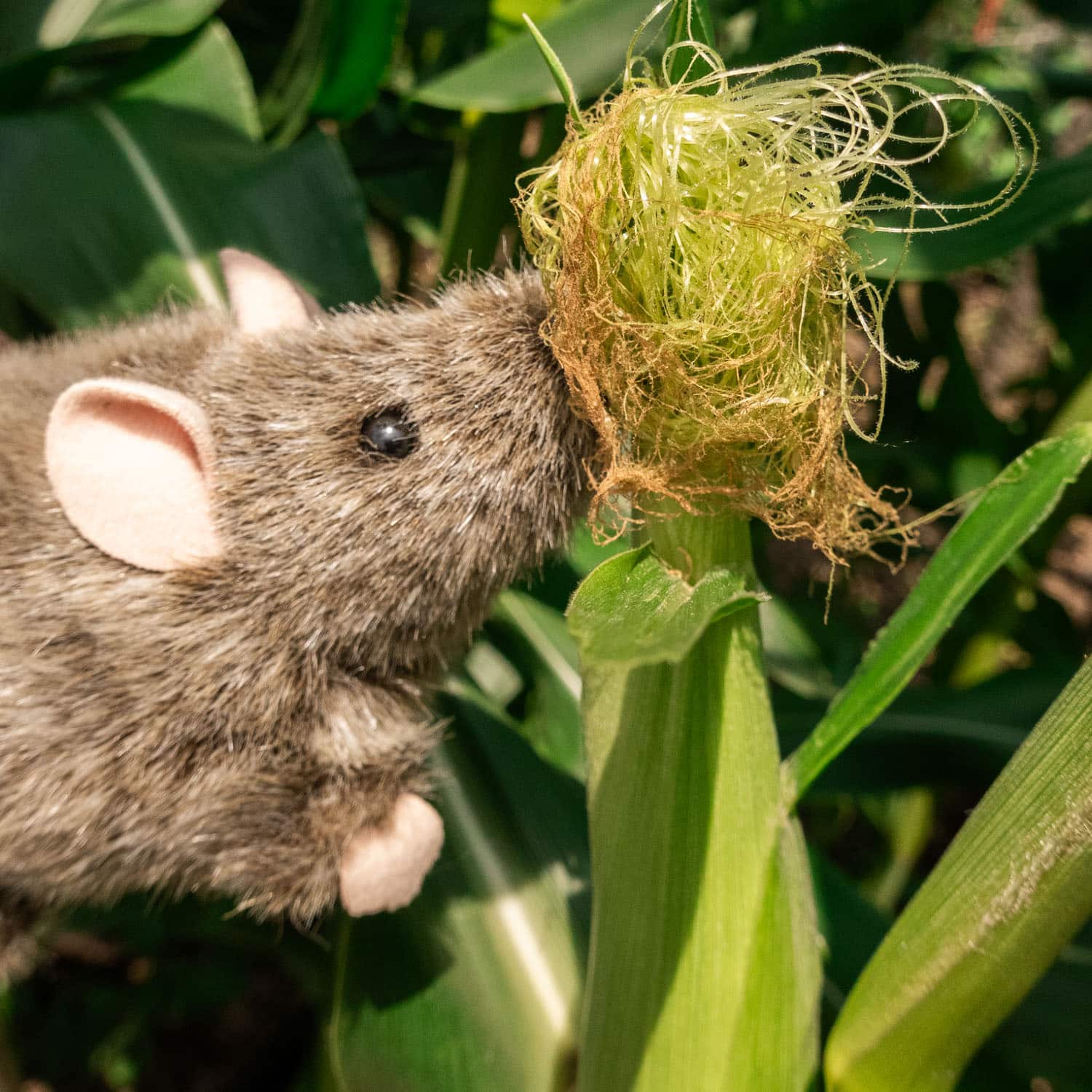
From Socks to Fences: Winning the War on Rats in Your Corn Patch
The sight of perfectly tasselled corn stalks, swaying gently in the summer breeze, is a gardener's dream. But that dream can quickly turn into a nightmare when hungry rats discover your ripening crop. One day, your corn is glorious; the next, it's a scene of an apocalypse, riddled with tell-tale gnaw marks and devastating losses. For urban gardeners, especially in dense areas like NYC, the battle against these tenacious rodents is a familiar, often heart-wrenching struggle. But don't despair! Through trial, error, and shared wisdom, effective strategies have emerged to help you safeguard your precious corn.
Losing a harvest to pests is incredibly frustrating, leading to feelings of defeat and the urgent question:
how to protect corn from rats effectively? This comprehensive guide, drawing on tested methods and invaluable insights, outlines ten practical ways to keep rats off your corn, from ingenious DIY hacks to more robust, long-term solutions. Whether you're dealing with a small backyard plot or a larger urban farm, there's a strategy (or combination of strategies!) here to help you reclaim your corn. For more detailed accounts of battling garden rats, check out our related articles:
NYC Garden Survival: 10 Ways to Protect Your Corn From Rats and
Defeat Garden Rats: Tested Strategies to Save Your Corn Crop.
Understanding the Enemy: Why Rats Target Your Corn
Rats are intelligent, adaptable, and opportunistic creatures, and your corn patch presents an irresistible buffet. They are drawn to corn for several key reasons:
- High Energy Source: Corn kernels are packed with carbohydrates, providing a significant energy boost that rats need.
- Easy Access: As corn ears develop, they become readily accessible targets, especially for agile climbers like rats.
- Shelter and Cover: Dense corn stalks can offer rats a degree of cover, making them feel safer while they feed.
- Water Source: In drier climates, juicy corn can also provide a supplemental water source.
Their relentless gnawing habits mean they don't just eat a little; they can decimate an entire crop in a matter of days. Understanding their motivation is the first step in formulating a successful defense strategy.
10 Tried-and-True Strategies to Safeguard Your Corn
Here are ten proven methods to help you win the fight against rats in your corn patch, ranging from simple deterrents to more significant structural solutions:
-
The Sock Method: A Simple Physical Barrier
One of the most charmingly simple yet surprisingly effective tactics is the "sock on the ear" method. As your corn ears mature and swell to near full size, simply pull an old sock (cotton works best) over each developing ear. The idea is that rats will encounter this unexpected cotton barrier and become frustrated. Having to gnaw through fabric slows them down, and often, they'll give up and move on, finding the effort not worth the reward. This method is non-toxic and humane, though it can be time-consuming for large plantings. Start collecting those lone socks from your laundry bin now – you'll need plenty!
-
Upcycled Shields: Plastic Water Bottle Guards
Similar to the sock method, plastic water bottles offer a more rigid form of protection. Cut off the top dome section of a plastic water or soda bottle, leaving you with a cylinder about three-quarters of its original length. Carefully slide this bottle over each developing corn ear. The key is to ensure a snug fit. If the bottle is too loose, a determined rat can simply knock it off. This upcycling method provides a sturdy, smooth barrier that's difficult for rats to grip and chew through, buying your corn precious time to ripen.
-
Fort Knox for Corn: Protective Cages
For smaller corn patches or individual prized stalks, constructing protective cages can be highly effective. This method involves encasing your corn in hardware cloth or sturdy chicken wire with small mesh openings (no larger than 1/2 inch) to prevent rats from slipping through. While more timely and potentially expensive, especially for large-scale gardens, it offers robust physical protection. You can create individual cages around each stalk or build a larger, communal enclosure. For maximum protection, bury the bottom edge of the wire at least 6-12 inches into the ground to deter tunneling rodents.
-
Scent Deterrents: Rodent Repellent Sprays
Rats have a keen sense of smell, and certain strong odors can be highly off-putting to them. Commercial rodent repellent sprays often contain natural ingredients like peppermint oil, castor oil, or capsaicin (from chili peppers). These can be sprayed on the ground around your corn plants, creating a scented perimeter rats prefer to avoid. Remember to choose non-toxic, pet-safe options if you have pets or children. Reapplication is crucial, especially after rain or irrigation, as the scents can dissipate. Rotating between different types of repellents can also prevent rats from becoming accustomed to a single smell.
-
The Ultimate Barrier: Full Garden Fencing
For a serious rodent problem, or if you're protecting a contained corn patch, building a dedicated fence around and even over your corn can be the ultimate solution. This "lockdown" approach requires constructing a fence on all sides and potentially a mesh top to prevent climbing. The critical factors here are the mesh size (again, 1/2 inch or smaller hardware cloth is ideal) and burying the fence deep enough to prevent tunneling. While a significant investment in time and materials, a well-constructed fence offers unparalleled protection and peace of mind.
-
Direct Action: Trapping Strategies
If your philosophy allows for direct intervention, trapping can be a very effective way to reduce the rat population in your garden. There are various types of traps available:
- Live Traps: These catch rats unharmed for relocation, but check local regulations and consider the ethical implications of releasing a problem animal elsewhere.
- Snap Traps: Traditional and effective, these lethal traps should be placed strategically along rat runways, usually near walls or hidden areas.
- Electronic Traps: These deliver a high-voltage shock, quickly and humanely dispatching rodents.
Bait traps with enticing treats like peanut butter, nuts, or seeds. Always handle traps with gloves and dispose of captured rats properly. Regular monitoring is essential for safety and effectiveness.
-
Feline Guardians: The Neighborhood Cat Alliance
Cats are natural predators of rodents, and their mere presence can be a powerful deterrent. Befriending a neighborhood cat (or several!) can turn your garden into an unwelcome territory for rats. Offer them a bowl of food, some fresh water, and a few friendly chin rubs, and they might just become the vigilant bodyguards your corn needs. Their scent alone can scare rats away, and active hunting helps to manage populations. Just ensure that the cats you're encouraging are healthy, spayed/neutered, and not becoming a nuisance to neighbors.
-
Avian Aides: Leveraging Owl Presence
Owls are formidable nocturnal predators of rats. Encouraging natural owl activity can be a long-term, ecological solution. Installing an owl box in a nearby tree can attract barn owls, while planting native trees and shrubs can create habitat for other owl species. If attracting real owls isn't feasible, visual deterrents like plastic owl decoys can work, especially if moved periodically to prevent rats from acclimating. Even scattering a few real owl feathers (if you can find them ethically) near your corn can signal a predator's presence.
-
Sonic Solutions: Ultrasonic and Noise Devices
High-frequency sound waves, inaudible to humans, are emitted by ultrasonic pest repellers, designed to irritate and deter rodents. While their effectiveness is sometimes debated and can vary, they are a non-toxic option. Position these devices strategically near your corn patch, ensuring they have an unobstructed path. Alternatively, motion-activated devices like sprinklers that suddenly spray water or even a radio playing talk shows can startle rats, making them believe predators or humans are nearby.
-
Garden Hygiene & Habitat Reduction: Cut Off Their Supply Lines
This is arguably the most fundamental and often overlooked strategy. Rats are drawn to easy food and shelter. By removing these attractions, you make your garden less inviting overall.
- Remove Food Sources: Keep your yard free of accessible pet food, spilled bird seed, and fallen fruits. Store garbage securely in rodent-proof bins.
- Reduce Hiding Places: Clear away clutter, overgrown weeds, woodpiles, and dense shrubbery where rats can nest and hide during the day.
- Compost Management: Ensure compost bins are sealed and properly managed, not becoming an open food source.
A clean, tidy garden makes your corn less appealing and forces rats to search elsewhere, significantly boosting the effectiveness of all other methods.
Beyond the Individual Solutions: A Holistic Approach to Rodent Control
The battle against rats is rarely won with a single weapon. The most effective approach to
how to protect corn from rats involves implementing a combination of these strategies. For example, using physical barriers like socks or bottles on the ears, while also maintaining impeccable garden hygiene and perhaps encouraging a neighborhood cat, creates a multi-layered defense.
Vigilance is key. Regularly inspect your corn for any signs of rat activity and adapt your strategies as needed. Rats are persistent, but so are determined gardeners!
Conclusion
Protecting your corn from rats can feel like an endless challenge, but with the right strategies, success is within reach. From the simple ingenuity of a sock on an ear to the robust protection of a fully fenced enclosure, each method offers a unique layer of defense. By understanding the enemy, implementing a multi-pronged approach, and maintaining consistent garden hygiene, you can significantly reduce rodent damage and enjoy the satisfaction of harvesting your hard-earned corn. Don't let those furry fiends win – arm yourself with knowledge and persistence, and look forward to that delicious, rat-free corn on the cob!